

🌸 Introduction: Why Padmavathi Ammavari Temple Comes Before Tirupati
There is an age-old belief among pilgrims visiting the sacred Tirumala hills: a visit to Lord Venkateswara at Tirupati is incomplete without first seeking the blessings of Goddess Padmavathi at Tiruchanur. And this is not merely tradition — it is devotion in its purest form.
Sri Padmavathi Ammavari Temple, nestled in the holy town of Tiruchanur (also known as Alamelu Mangapuram), just 5 km from Tirupati city, is one of the most revered pilgrimage sites in South India. Here resides Goddess Padmavathi — an incarnation of Goddess Mahalakshmi and the divine consort of Lord Venkateswara — in a sanctum of breathtaking beauty, radiating the energy of prosperity, compassion, and grace.
Whether you are a first-time pilgrim wondering how to book Special Darshan tickets, a seasoned devotee wanting to check updated 2026 timings and seva prices, or someone planning the full Tirupati pilgrimage circuit — this guide is your complete, authoritative reference for everything related to Padmavathi Ammavari Temple.
🏛️ Quick Reference: Key Facts at a Glance
| Detail | Information |
|---|---|
| Temple Name | Sri Padmavathi Ammavari Temple, Tiruchanur |
| Also Known As | Alamelu Mangapuram, Tiruchanoor Temple, Padmavati Temple |
| Main Deity | Goddess Padmavathi (Alamelu Manga / Alarmel Mangai) |
| Deity Faces | East |
| Location | Tiruchanur, Tirupati District, Andhra Pradesh |
| Distance from Tirupati | 5 km |
| Administration | Tirumala Tirupati Devasthanams (TTD) |
| Temple Tradition | Pancharatra Agama & Vadakalai |
| Darshan Timings | 4:50 AM – 9:30 PM (Regular) |
| Friday Opening | 3:30 AM |
| General Darshan | FREE |
| Special Entry Darshan | ₹200 per person |
| VIP Darshan | ₹500 per person |
| Official Booking Portal | ttdevasthanams.ap.gov.in |
| Children (under 12) | Free entry with parents |
| Daily Footfall | 30,000+ devotees (50,000+ on weekends) |
📜 History, Legend & Significance of Padmavathi Ammavari Temple
The Divine Origin of Goddess Padmavathi
The story of Goddess Padmavathi’s manifestation at Tiruchanur is one of the most enchanting legends in Vaishnavite tradition. According to the Venkatachala Mahatyam and the Padma Purana, Goddess Mahalakshmi — the eternal consort of Lord Vishnu — took birth as Padmavathi, the daughter of Akasha Raja, the ruler of this region.
The legend holds that Lord Venkateswara (Lord Vishnu incarnate) performed intense penance for twelve years, and Goddess Lakshmi appeared to him from a golden lotus blooming in the sacred tank called Padmasarovaram at this very spot. Lord Suryanarayana (the Sun God) is described as having been instrumental in causing the lotus to bloom in full splendour. This moment of divine manifestation occurred in the month of Karthika on Sukla Paksha Panchami, when the star Uttarashada was in the ascendant. It is this auspicious anniversary that is commemorated each year with the grand Panchami Theertham festival.
The Goddess eventually married Lord Venkateswara, and the temple was built at the very spot of her divine appearance — making Tiruchanur not just a place of worship, but a site of cosmic significance.
Historical & Architectural Heritage
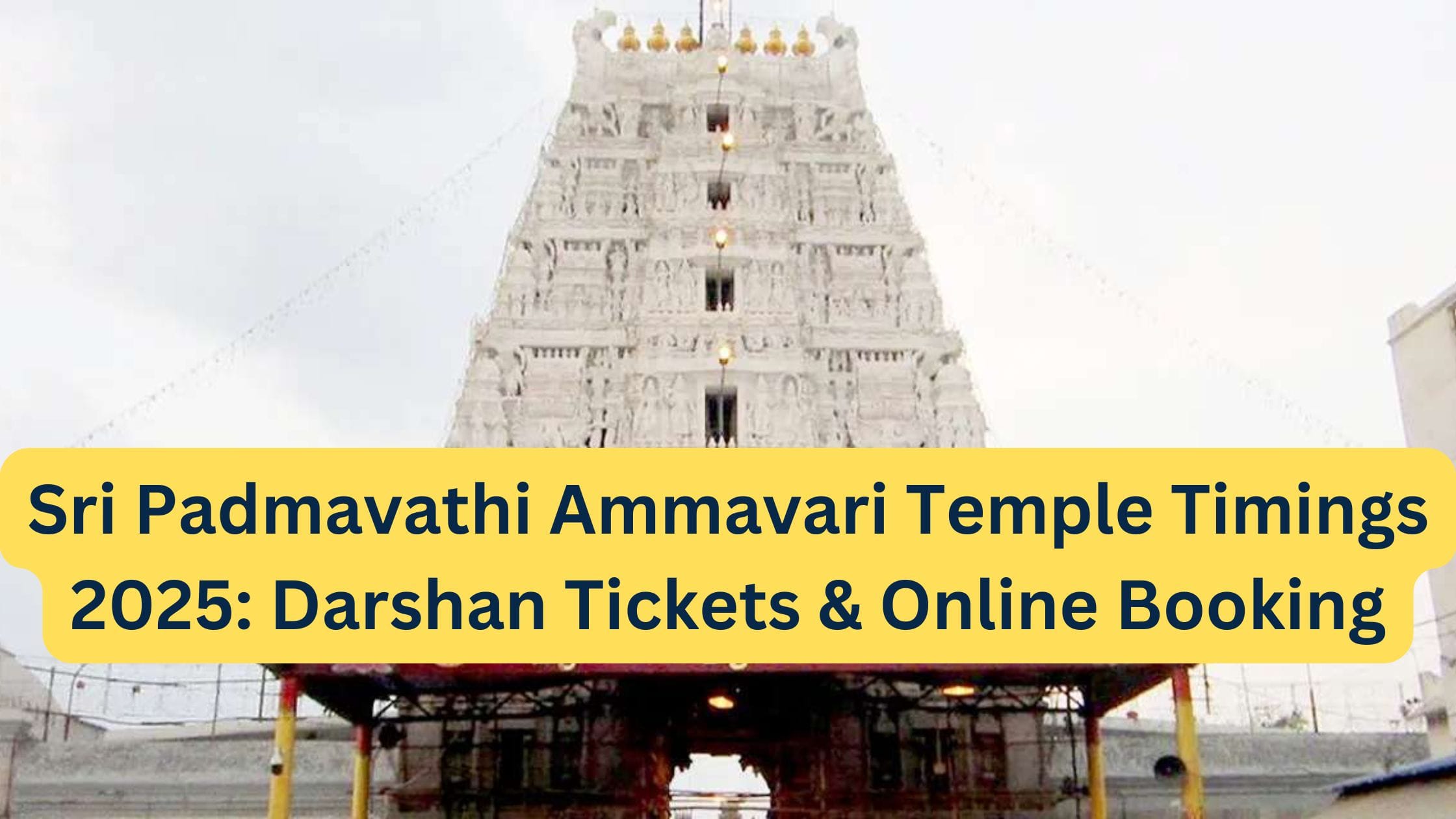
The temple exemplifies magnificent Dravidian architecture, with its towering Rajagopuram (main gateway tower) adorned with intricate sculptures depicting scenes from Hindu mythology. Key architectural highlights include:
- A grand Rajagopuram at the main entrance
- The Sanctum Sanctorum housing the idol of Goddess Padmavathi in a seated posture, holding lotus flowers, made of black stone and beautifully decorated with jewels and silk garments
- Gold-plated inner walls of the sanctum, adding to its divine luminosity
- The Padma Sarovaram — the sacred tank adjacent to the main shrine, believed to be the exact spot where the Goddess emerged from the golden lotus
- Several smaller shrines within the complex, including the Sri Krishna Swamy Temple and the Sri Sundaraja Swamy Temple
- A Suryanarayana shrine on the eastern side of the Pushkarini
The temple is managed by the Tirumala Tirupati Devasthanams (TTD) and follows the sacred Pancharatra Agama and Vadakalai traditions that have been upheld here for centuries.
⏰ Padmavathi Ammavari Temple Darshan Timings 2026
The temple follows a structured daily schedule that accommodates the vast number of devotees who visit each day. Understanding these timings before you arrive is essential for planning a smooth, stress-free darshan.
Regular Daily Timings
| Day | Opening Time | Closing Time |
|---|---|---|
| Monday to Thursday | 4:50 AM | 9:30 PM |
| Friday (Special) | 3:30 AM | 9:30 PM |
| Saturday & Sunday | 4:50 AM | 9:30 PM |
⚠️ Important: During Brahmotsavam, Navaratri, Pournami (Full Moon), Ekadasi, and other festival days, timings are extended. Plan accordingly and arrive early to avoid extended queues.
Key Daily Ritual Timings (Seva Schedule)
| Ritual / Seva | Time |
|---|---|
| Suprabhatam | 4:30 AM |
| Thomala Seva | 6:00 AM |
| Archana / Sahasranamarchana | Multiple slots (morning & evening) |
| Kalyanotsavam | Morning session |
| Unjala Seva (Cradle Swing) | Evening |
| Ekantha Seva | 9:00 PM (final prayer of the day) |
💡 Best Time to Visit: Weekdays between 10:00 AM and 12:00 PM are the least crowded. The temple typically sees the highest footfall on Fridays, full moon days, and festival periods.
🎟️ Special Darshan Tickets — Complete Booking Guide (2026)
Types of Darshan Available
| Darshan Type | Cost | Details |
|---|---|---|
| Sarva Darshan (General) | FREE | Open to all; longer wait possible |
| Special Entry Darshan | ₹200 per person | Priority darshan, shorter queues; online booking required |
| VIP Darshan | ₹500 per person | Very limited slots; peaceful, near-empty sanctum experience |
| Mangala Darshan | Limited Slots | Early morning darshan at sunrise; extremely serene |
| Senior Citizen Darshan | Check TTD Portal | Reserved time slots for elderly devotees |
| Group Darshan | Contact TTD | For organised groups of 10 or more members |
Children under 12 years are allowed free entry when accompanied by parents — for both General and Special Darshan.
Special Entry Darshan — Step-by-Step Online Booking Process
The TTD has made booking Special Entry Darshan for Padmavathi Ammavari Temple simple and accessible online. Here is the exact process:
Step 1: Visit the official TTD booking portal — ttdevasthanams.ap.gov.in — or open the TTD Mobile App on your phone.
Step 2: Register with your mobile number if you are a new user. Existing users can log in directly using their credentials.
Step 3: Enter the OTP sent to your registered mobile number to verify your identity.
Step 4: From the main dashboard, go to “Pilgrimage Services”.
Step 5: Click on “Special Entry Darshan” and select “Sri Padmavathi Ammavari Temple, Tiruchanur” from the dropdown.
Step 6: Select your preferred date and available time slot from the calendar. Booking opens 120 days in advance, so plan ahead for festival dates.
Step 7: Enter devotee details — name, age, gender, and contact information for all persons travelling.
Step 8: Attach a scanned copy of a valid government-issued photo ID (Aadhaar Card, PAN Card, or Passport).
Step 9: Proceed to secure payment using Debit/Credit Card, Net Banking, or UPI.
Step 10: Upon successful payment, you will receive a confirmation email and SMS with your booking reference. Save the ticket digitally or print it to present at the temple entrance.
💡 Pro Tips for Booking:
- Tickets for festival months (October–December) sell out within hours of release
- Special Entry Darshan tickets are typically released 30 days in advance for each month, at 10:00 AM on the release date
- Always carry a valid original photo ID along with your booking confirmation
- Arrive at the temple at least 30 minutes before your scheduled darshan slot
🪔 All Sevas at Padmavathi Ammavari Temple — Timings & Ticket Prices
One of the most spiritually rewarding aspects of a visit to Tiruchanur is the rich array of Arjitha Sevas (paid rituals) that devotees can participate in or sponsor. These sevas are conducted by trained priests following ancient Agamic traditions.
Daily & Weekly Sevas
| Seva Name | Day / Frequency | Ticket Cost |
|---|---|---|
| Suprabhatam | Daily (early morning) | ₹25 |
| Thomala Seva | Daily | ₹50 |
| Archana | Daily | ₹10 – ₹50 |
| Sahasranamarchana | Daily (multiple slots) | Contact TTD Counter |
| Kumkumarchana | Daily | ₹50 – ₹100 |
| Kalyanotsavam (Padmavathi Parinayam) | Daily | ₹100 – ₹300 |
| Unjala Seva | Daily (evening) | ₹100 – ₹200 |
| Abhishekam Darshan | Fridays | ₹400 per person |
| Vastralankarana Seva | Fridays | ₹1,000 per family |
| Tiruppavada | Thursdays | ₹600 per person |
| Ekantha Seva | Daily (closing ritual) | Contact TTD |
| Thulabharam | On demand | Weight-based donation |
⚠️ Note: Abhishekam and Vastralankarana Seva tickets require valid ID proof and must be booked at least one day in advance at the temple counter. Online booking is recommended via ttdevasthanams.ap.gov.in.
Description of Major Sevas
🌸 Suprabhatam — The first ritual of the day, where the Goddess is gently awakened with sacred Vedic chants and devotional hymns. Witnessing Suprabhatam at 4:30 AM is a profoundly moving experience that very few pilgrims ever forget.
💍 Kalyanotsavam (Padmavathi Parinayam) — A symbolic re-enactment of the divine wedding ceremony of Goddess Padmavathi and Lord Venkateswara, performed with great reverence and elaborate decorations. Sponsoring or attending this seva is considered extremely auspicious for couples seeking a harmonious marriage.
🌊 Abhishekam (Fridays) — The ritual bathing of the Goddess with Panchamrit, rose water, turmeric water, and sacred liquids, accompanied by the chanting of Devi Ashtottaram (108 names). Cost: ₹400 per person. A deeply cleansing and spiritually powerful ritual.
🧵 Vastralankarana Seva (Fridays) — The adorning of the Goddess with exquisite silk garments and precious jewellery, performed by priests with sacred mantras. One of the most visually magnificent rituals at the temple. Cost: ₹1,000 per family.
🕯️ Unjala Seva — The divine cradle ritual where the Goddess is gently swung on a beautifully decorated swing while devotional songs and hymns fill the air. Participating in this seva is believed to bring domestic harmony and happiness.
⚖️ Thulabharam — The ancient vow-fulfilment ritual where a devotee is weighed against offerings of rice, jaggery, bananas, or coconuts, which are then donated to the temple. Particularly sought by those who have prayed for health, childbirth, or the success of a major endeavour.
📿 Sahasranamarchana — The chanting of the thousand divine names of Goddess Padmavathi, performed for the devotee’s specific intention — prosperity, marriage, health, or spiritual growth.
🌙 Ekantha Seva — The final, intimate prayer of the day, offered in near-complete silence as the temple prepares to close. The Goddess is bid goodnight with tender devotion. A spiritually profound moment for those who can witness it.
🎉 Major Festivals at Padmavathi Ammavari Temple
| Festival | Period | Highlights |
|---|---|---|
| Brahmotsavam | November–December (Karthika month) | Grand 9-day festival; Pallaki Seva, processions, cultural events; attracts 2 lakh+ pilgrims |
| Panchami Theertham | 5th day of Karthika (Sukla Paksha) | Commemorates Goddess’s manifestation; special Abhishekam; thousands take a dip in Padmasarovaram |
| Chakra Snanam | Concluding day of Brahmotsavam | Grand conclusion ritual; thousands bathe in sacred tank |
| Navaratri | September–October | Nine days of special poojas, lamp lighting, and devotional events |
| Laksha Kumkumarchana | Festival seasons | Grand kumkum archana with a lakh offerings; extremely auspicious |
| Vaikunta Ekadasi | December–January | Special extended darshan; pilgrims en route to Tirumala stop here |
| Fridays (Every Week) | Weekly | Considered most auspicious for Goddess Padmavathi; Abhishekam & Vastralankarana Seva |
| Full Moon Days (Pournami) | Monthly | Special poojas; extended darshan; larger crowds |
Brahmotsavam — The Crown Festival
The Brahmotsavam is the most magnificent celebration at Tiruchanur. Held annually in the Tamil month of Karthika (November–December) for nine grand days, this festival commemorates the auspicious occasion of Goddess Padmavathi’s divine manifestation on earth. The festival includes elaborate processions, with the idol of the Goddess carried out in a beautifully decorated palanquin (Pallaki Seva) through the temple streets, accompanied by Vedic chants, nadaswaram music, and thousands of devotees in devotional fervour.
The Panchami Theertham, held on the fifth day of Karthika’s bright fortnight, is particularly significant — tens of thousands of pilgrims take a holy dip in the Padmasarovaram sacred tank, believing it will cleanse accumulated sins and bestow divine grace.
During Brahmotsavam, darshan tickets get booked out within hours of release. Plan and book at least 2–3 months in advance for this period.
🏗️ Temple Architecture & Sacred Spaces
Padmavathi Ammavari Temple is a stunning specimen of classical South Indian Dravidian architecture, and exploring the sacred spaces within the complex is a devotional journey in itself.
- Rajagopuram: The soaring main entrance tower, ornately sculpted with mythological scenes, is the first view of the temple that greets every pilgrim
- Sanctum Sanctorum: The inner shrine houses the black stone idol of Goddess Padmavathi in a seated posture, holding lotus flowers, adorned with elaborate jewellery. The inner walls are gold-plated, giving the sanctum an otherworldly glow
- Padmasarovaram (Sacred Tank): The holy tank adjacent to the main shrine, believed to be the exact spot where the Goddess emerged from a lotus. Bathing here is considered highly purifying
- Suryanarayana Shrine: Located on the eastern side of the Pushkarini, this small shrine honours the Sun God who caused the lotus to bloom
- Sri Krishna Swamy Temple: A sub-shrine within the complex, also managed by TTD
- Sri Sundaraja Swamy Temple: Another sub-shrine dedicated to Lord Vishnu
- Yagashala: The fire ritual hall where homas and yagas are performed for devotees
🍱 Prasadam at Padmavathi Ammavari Temple
The sacred prasadam distributed after darshan is considered one of the most treasured gifts a devotee can receive from the Goddess. The temple distributes:
- Pulihora (Tamarind Rice) — the most iconic prasadam, made fresh daily
- Laddu — the universally loved TTD laddu
- Curd Rice — especially during summer months
- Theertha Prasadam — sacred water blessed in the Goddess’s presence
The prasadam is considered to carry the direct blessings of Goddess Padmavathi and is regarded as highly sacred by millions of devotees.
👗 Dress Code & Temple Rules
Respecting the temple’s sanctity requires adherence to the following dress code and visitor guidelines:
For Men
- ✅ Dhoti with upper cloth (traditional and preferred)
- ✅ Formal trousers with kurta or full-sleeve shirt
- ❌ Shorts, jeans, sleeveless vests, bermudas, and western casuals not permitted
For Women
- ✅ Saree (preferred)
- ✅ Half-saree with blouse
- ✅ Churidar / Salwar Kameez with dupatta
- ❌ Mini-skirts, jeans, tops, shorts, and sleeveless garments not permitted
General Visitor Rules
- 📵 Photography and videography are strictly prohibited inside the temple complex
- 📵 Mobile phones must not be carried into the sanctum sanctorum
- 👟 Remove footwear before entering the temple premises (paid footwear counters available)
- 🎒 Large bags are not permitted inside; deposit them at the cloak room
- 🚫 Leather items (belts, handbags, wallets) should ideally be avoided inside
- 🤫 Maintain silence and devotional decorum in all shrine areas
- ⏰ Arrive 30 minutes early for any booked seva or special darshan slot
🧭 How to Reach Padmavathi Ammavari Temple (Tiruchanur)
Full Address: Sri Padmavathi Ammavari Temple, Sannidhi Street, Tiruchanur, Tirupati, Andhra Pradesh — 517 503
By Road (From Tirupati City)
Tiruchanur is just 5 km from Tirupati Bus Stand, making it one of the most accessible temples in the region.
- APSRTC Buses: Run every 15 minutes from Tirupati Bus Stand to Tiruchanur; this is the most economical and convenient option
- Auto-rickshaws & Taxis: Readily available from Tirupati; journey takes approximately 10–15 minutes depending on traffic
- Private vehicles: Well-signed route; parking available near the temple
By Train
- Nearest Railway Station: Tirupati Railway Station (~5–6 km)
- Tirupati is well-connected to all major South Indian cities including Chennai, Hyderabad, Bengaluru, and Mumbai
- From the station, take an auto-rickshaw or APSRTC bus to Tiruchanur directly
By Air
- Nearest Airport: Tirupati Airport (~15 km from the temple)
- Regular flights connect Tirupati to Chennai, Hyderabad, Bengaluru, and Mumbai
- Taxis and cabs available at the airport for temple transfers
Distance from Major Cities
| City | Distance | Mode |
|---|---|---|
| Tirupati City | 5 km | Bus / Auto |
| Chennai | ~135 km | Road / Train |
| Hyderabad | ~570 km | Road / Train |
| Bengaluru | ~265 km | Road / Train |
| Vijayawada | ~280 km | Road |
📍 Nearby Temples to Visit Along With Tiruchanur
Since Tiruchanur is located in the heart of the sacred Tirupati pilgrimage circuit, many devotees club their visit with:
- Sri Venkateswara Temple, Tirumala — 22 km (the primary destination for most pilgrims)
- Sri Govindarajaswamy Temple, Tirupati — 5 km (one of the 108 Divya Desams)
- Kapila Theertham Shiva Temple — 5 km (sacred waterfall temple)
- Sri Kodandarama Swamy Temple — in Tirupati city
- ISKCON Tirupati — 6 km
- Sri Prasanna Venkateswara Swamy Temple, Appalayagunta — ~20 km
🗺️ Most Tirupati pilgrimage tour packages include a Tiruchanur visit in the morning, followed by Tirumala darshan in the afternoon — an ideal itinerary for a complete spiritual day.
❓ Frequently Asked Questions (FAQs)
Q1. How do I book Special Entry Darshan tickets for Padmavathi Ammavari Temple?
A. Visit the official TTD portal at ttdevasthanams.ap.gov.in, log in with your registered mobile number, navigate to Pilgrimage Services → Special Entry Darshan → Select Sri Padmavathi Ammavari Temple, choose your date, fill in devotee details, and complete the ₹200 per person payment.
Q2. What is the Special Darshan ticket price at Padmavathi Ammavari Temple?
A. ₹200 per person. VIP Darshan is ₹500 per person. General Sarva Darshan is completely free.
Q3. What are the temple timings today?
A. Regular days: 4:50 AM to 9:30 PM. Fridays: 3:30 AM to 9:30 PM. Extended hours during festivals and full moon days.
Q4. How far in advance can I book Special Darshan tickets?
A. Booking opens 120 days in advance through the TTD portal. For festival months, book as early as possible as slots fill within hours.
Q5. Are children charged for darshan?
A. Children under 12 years of age are allowed free entry when accompanied by their parents, including for Special Entry Darshan.
Q6. Which day is most auspicious to visit Padmavathi Ammavari Temple?
A. Fridays are considered the most sacred day for Goddess Padmavathi. The temple opens at 3:30 AM on Fridays, and Abhishekam and Vastralankarana Seva are performed on this day.
Q7. What is the cost of Abhishekam at Padmavathi Temple?
A. Abhishekam Darshan is performed on Fridays and costs ₹400 per person. Vastralankarana Seva (also Fridays) costs ₹1,000 per family.
Q8. Is photography allowed inside the temple?
A. No. Photography and videography are strictly prohibited inside the temple complex.
Q9. What should I wear to Padmavathi Ammavari Temple?
A. Men: dhoti with upper cloth or formal trousers and shirt. Women: saree, half-saree, or churidar with dupatta. Western wear is not permitted.
Q10. What prasadam is distributed at Tiruchanur Padmavathi Temple?
A. The temple distributes Pulihora (tamarind rice), Laddu, Curd Rice, and Theertha Prasadam.
Q11. What is the significance of Panchami Theertham?
A. Panchami Theertham commemorates the day Goddess Padmavathi manifested in the Padmasarovaram tank. Thousands of devotees take a holy dip in the sacred tank on this day during Brahmotsavam, seeking divine blessings and liberation from sin.
Q12. Can I visit Tiruchanur and Tirumala on the same day?
A. Yes. Most pilgrims visit Tiruchanur early in the morning (starting around 5–6 AM) and then proceed to Tirumala for Lord Venkateswara’s darshan in the afternoon. This is a well-established pilgrimage pattern.
Q13. How many people visit Padmavathi Ammavari Temple daily?
A. On regular weekdays, over 30,000 devotees visit the temple. This number rises to 50,000 or more on weekends, and to lakhs during festivals.
Q14. What is Thulabharam at Padmavathi Temple?
A. Thulabharam is a vow-fulfilment ritual where a devotee is weighed on a scale against rice, jaggery, bananas, or coconuts, which are then donated to the temple. It is sought by those fulfilling prayers for health, prosperity, or other major life blessings.
✨ Spiritual Benefits & Blessings of Padmavathi Ammavari
Devotees across generations have experienced transformative blessings through sincere worship at Tiruchanur. The Goddess, as an incarnation of Mahalakshmi, is particularly worshipped for:
- 💰 Wealth & Financial Prosperity — Lakshmi Devi’s grace removes financial obstacles and opens doors to abundance
- 💍 Auspicious Marriage — Countless devotees credit their marriage blessings to the Goddess; Kalyanotsavam seva is especially powerful for this
- 👶 Fertility & Childbirth — Couples seeking children tie cradles in the temple complex and offer Thulabharam
- 🏥 Health & Recovery — Bathing in Padmasarovaram is believed to cleanse disease and karmic burdens
- 🏠 Domestic Harmony — Unjala Seva and Kalyanotsavam are sought for peace and love within the family
- 🎓 Educational Success — Students and parents offer special archanas before exams
- 🌿 Overall Well-being & Positive Energy — The Goddess’s compassionate grace is said to transform the spiritual atmosphere of one’s life
🌺 Final Thoughts: Make Your Pilgrimage Complete
A visit to Padmavathi Ammavari Temple at Tiruchanur is not just a stop on a pilgrimage itinerary — it is the beginning of one. The ancient tradition of seeking the Mother’s blessings before ascending to Lord Venkateswara’s abode encapsulates the essence of South Indian devotional culture: that all power, all wealth, all grace flows from the Divine Mother.
Whether you have booked your Special Entry Darshan in advance, are planning a Friday visit for Abhishekam, or are simply arriving with an open heart for free general darshan — Goddess Padmavathi will receive you with the same infinite compassion with which she has received pilgrims for thousands of years.
Book your tickets early, dress with respect, arrive with a clean and open heart — and let the golden-lotused grace of Alamelu Manga illuminate your life.
ஓம் ஸ்ரீ பத்மாவதி தேவீ நம: | Om Sri Padmavathi Devi Namaha 🙏