Ayodhya Ram Mandir Darshan Booking 2026: Complete Guide | Free Sugam Darshan, Aarti Pass & VIP Entry

The Shri Ram Janmabhoomi Mandir in Ayodhya stands as one of the world’s most significant spiritual destinations and India’s fastest-growing pilgrimage site since its consecration on January 22, 2024. With over 135 million visitors in its first year—surpassing even the Taj Mahal—and daily footfall averaging 150,000 devotees, the temple has transformed Ayodhya into Uttar Pradesh’s premier tourist destination, attracting 135.5 million domestic and 3,153 international tourists by September 2024 alone.

Ayodhya Ram Mandir Darshan Booking

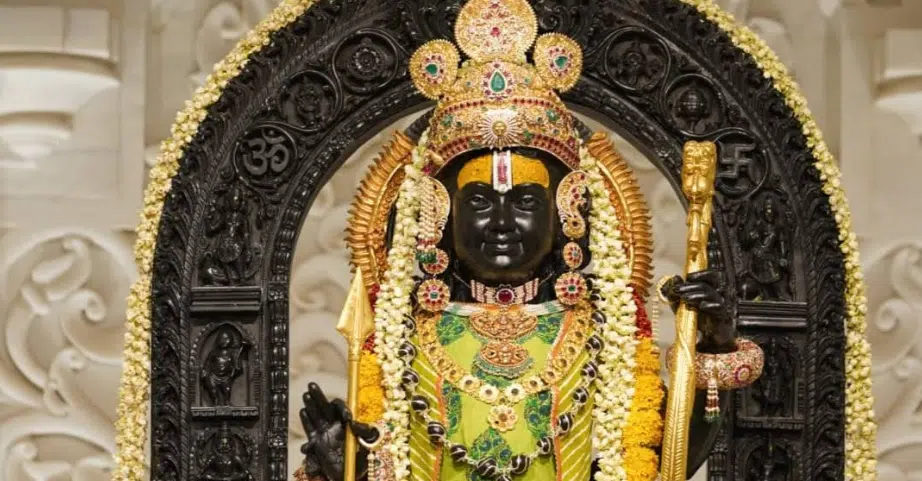
As we move into 2026, the temple’s management has refined its darshan systems, making the Free Sugam Darshan e-pass and Aarti booking processes more streamlined than ever. The 70-acre temple complex, featuring a towering 161-foot spire and intricately carved architecture blending traditional craftsmanship with modern construction, now operates with precise time-slot management to ensure every devotee experiences peaceful darshan of the sacred Ram Lalla idol.

Ayodhya Registration Guide 2026 – Online Booking, Passes & Important Instructions

This comprehensive 2026 guide covers everything you need to know about Ayodhya Ram Mandir darshan—from step-by-step Free Sugam Darshan e-pass booking and Aarti reservations to temple timings, dress code requirements, security guidelines, VIP darshan options, travel tips, and insider strategies for securing your preferred time slot during this highly competitive booking season.

Understanding Ayodhya Ram Mandir: Historical Significance & 2026 Status

The Sacred Temple Complex

The Shri Ram Janmabhoomi Temple, dedicated to Lord Rama’s birthplace, represents centuries of faith culminating in a magnificent architectural marvel:

Temple Specifications:

  • Total Area: Over 70 acres (approximately 283,000 square meters)
  • Main Spire Height: 161 feet (approximately 49 meters)
  • Construction Style: Traditional Nagara architecture blending ancient artistry with modern engineering
  • Main Deity: Ram Lalla idol in gold-adorned sanctum sanctorum (Garbha Griha)
  • Materials: Pink sandstone from Rajasthan, white marble, intricate stone carvings
  • Builders: Thousands of artisans and skilled craftsmen from across India

Construction Timeline:

  • Bhoomi Pujan (Foundation Ceremony): August 5, 2020
  • Pran Pratishtha (Consecration): January 22, 2024, conducted by Prime Minister Narendra Modi
  • Public Darshan Opens: January 24, 2024
  • Current Status (2026): Fully operational with refined crowd management systems

Record-Breaking Visitor Statistics

The temple’s popularity has exceeded all projections:

First Year Milestones (2024):

  • Opening Day (January 22, 2024): Over 500,000 visitors
  • First Six Months: 110 million visitors (surpassing annual Varanasi footfall)
  • By September 2024: 135.5 million domestic tourists + 3,153 international visitors
  • New Year 2025 (January 1): Over 500,000 devotees for Ram Lalla darshan
  • Daily Average (2024-2026): 150,000 visitors

Comparative Context:

  • Taj Mahal: Approximately 7-8 million annual visitors
  • Golden Temple, Amritsar: 100,000 daily visitors
  • Tirupati Balaji: 60,000-80,000 daily darshan
  • Ayodhya Ram Mandir: Consistently exceeding 150,000 daily, making it India’s most visited pilgrimage site

Economic Impact:

  • Transformed Ayodhya into Uttar Pradesh’s #1 tourist destination
  • Boosted regional tourism infrastructure dramatically
  • Created employment for thousands in hospitality, transport, and services
  • Generated significant revenue for local economy

Temple Complex Features (2026)

Sanctum Sanctorum (Garbha Griha):

  • Houses the sacred Ram Lalla idol
  • Gold-adorned deity with precious jewels
  • Limited time per devotee (brief darshan for crowd flow)
  • Strict photography prohibition

Additional Facilities:

  • Museum: Showcasing temple history, archaeological findings, and cultural artifacts
  • Spiritual Library: Collection of ancient texts, scriptures, and religious literature
  • Landscaped Gardens: Beautifully maintained green spaces throughout 70-acre complex
  • Ram Katha Park: Narrates stories from Ramayana through sculptures and installations
  • Prayer Halls: Multiple spaces for group meditation and bhajan
  • Prasad Counters: Distribution points for temple offerings
  • Wheelchair Access: Ramps and dedicated pathways for elderly and disabled devotees

Why Darshan Booking Became Mandatory

With unprecedented visitor numbers, the Shri Ram Janmabhoomi Teerth Kshetra Trust introduced structured darshan booking to:

  1. Ensure Safety: Prevent overcrowding and stampede risks
  2. Guarantee Darshan: Time-slot system ensures every booked devotee gets entry
  3. Reduce Wait Times: Organized slots vs. 8-12 hour unregulated queues
  4. Enable Planning: Devotees can plan entire trip around confirmed darshan slot
  5. Maintain Sanctity: Controlled flow preserves temple’s peaceful spiritual atmosphere

Official Ayodhya Ram Mandir Booking Portals (2026)

⚠️ CRITICAL – Use ONLY Official Websites

Primary Official Portals:

1. Shri Ram Janmabhoomi Teerth Kshetra Trust (Main Website):

  • Website: https://srjbtkshetra.org
  • Purpose: Official information, announcements, trust details
  • Updates on temple events, timings, and important notices

2. Official Online Booking Portal:

  • Website: https://online.srjbtkshetra.org
  • Purpose: Free Sugam Darshan e-pass booking
  • Free Aarti pass reservations
  • All bookings are 100% FREE

Important Warnings:

Avoid Third-Party Websites & Agents:

  • ❌ The Trust has officially clarified: NO agents or middlemen are authorized for bookings
  • ❌ Any website or person charging money for “VIP passes” or “guaranteed booking” is FRAUDULENT
  • ❌ No paid VIP darshan exists on the official portal (some premium services may be arranged through authorized travel operators for complete tour packages, but basic darshan is FREE)
  • ❌ Hundreds of fake websites exist claiming faster booking or special services

How to Identify Official Portals:

  • ✅ Check exact URL: “srjbtkshetra.org” or “online.srjbtkshetra.org”
  • ✅ Look for “Shri Ram Janmabhoomi Teerth Kshetra” branding
  • ✅ Verify secure connection: “https://” and padlock icon
  • ✅ No payment gateway for basic darshan/aarti booking (always FREE)
  • ✅ Government of Uttar Pradesh or official trust logos

If You Encounter Fraud:

  • Report to temple helpline immediately
  • Contact local cyber crime department
  • Spread awareness to prevent others from being scammed

Free Sugam Darshan E-Pass: Complete Booking Guide (2026)

“Sugam” means “easy” or “smooth” in Hindi. Sugam Darshan provides devotees with organized, time-slotted temple entry, significantly reducing wait times compared to walk-in general darshan.

What is Sugam Darshan?

Key Features:

  • Completely FREE: No charges whatsoever; issued by official trust
  • Time-Slot Based: Pre-assigned 2-hour entry window
  • Online Booking: Available 15 days in advance
  • Reduced Wait: 2-4 hours vs. 6-10 hours for unbooked walk-ins
  • Guaranteed Entry: Confirmed slot; no uncertainty
  • Group Booking: Up to 8 devotees per booking

Sugam Darshan vs. General Walk-In Darshan:

AspectSugam Darshan (E-Pass)General Walk-In Darshan
CostFREEFREE
BookingOnline, 15 days advanceNo booking; physical queue
Wait Time2-4 hours6-10 hours (peak days)
Entry WindowConfirmed 2-hour slotUncertain; depends on queue
PlanningPlan entire trip preciselyUnpredictable timing
RecommendationHIGHLY ADVISEDOnly if Sugam unavailable

When Do Sugam Darshan Slots Open?

Booking Window:

  • Slots released 15 days in advance from the darshan date
  • Example: For March 15 darshan, booking opens at midnight on March 1

Release Time:

  • Booking opens at 12:00 AM (midnight) IST
  • High competition; slots fill within minutes to hours depending on date

Booking Strategy:

  • Best Time to Book: Immediately after midnight when slots release
  • Peak Competition: Weekends (Saturday-Sunday), festival days
  • Easy Availability: Mid-week (Tuesday-Thursday), non-festival periods

Sugam Darshan Available Time Slots (2026)

Daily Darshan Slots (Each slot is 2 hours):

Time SlotPeriodCrowd LevelRecommendation
7:00 AM – 9:00 AMEarly MorningModeratePeaceful, cooler weather
9:00 AM – 11:00 AMMid-MorningHighPopular slot, fills quickly
11:00 AM – 1:00 PMAfternoon BreakTEMPLE CLOSEDNo darshan during this period
1:00 PM – 3:00 PMAfternoonModerateHotter, less crowded
3:00 PM – 5:00 PMLate AfternoonModerate-HighPleasant timing
5:00 PM – 7:00 PMEveningVery HighMost popular, sunset glow
7:00 PM – 9:00 PMNightHighBeautiful lighting, aarti atmosphere

Important Notes:

  • 150 slots available per 2-hour window (subject to change)
  • Temple closed 11 AM – 1 PM daily for rituals and maintenance
  • Extended timings during major festivals (Ram Navami, Diwali)
  • Children under 10 years: No separate booking required; free entry with parents

Step-by-Step Sugam Darshan Booking Process

Preparation Checklist:

Before Starting Booking:

  1. Valid ID Proof (one of the following):
  • Aadhaar Card (most preferred for Indian citizens)
  • Passport (for NRIs and international visitors)
  • Voter ID Card
  • Driving License
  • PAN Card (less commonly accepted)
  1. Recent Photograph:
  • Passport-size digital photo
  • Format: JPG, JPEG, PNG
  • Size: Under 200 KB recommended
  • Clear, front-facing image
  1. Contact Details:
  • Active mobile number (for OTP verification)
  • Valid email address (for confirmation)
  1. Personal Information:
  • Full names (as per ID proof)
  • Age/Date of birth
  • Gender
  • Complete address with PIN code
  1. Internet & Device:
  • Stable high-speed connection
  • Laptop/desktop recommended (easier navigation)
  • Smartphone acceptable

Detailed Booking Steps:

Step 1: Visit Official Booking Portal

Navigate to: https://online.srjbtkshetra.org

Verify you’re on the correct official site by:

  • Checking URL spelling carefully
  • Looking for “Shri Ram Janmabhoomi Teerth Kshetra” official branding
  • Ensuring secure connection (https:// with padlock icon)

Step 2: Login or Register

For New Users (First-Time Registration):

  1. On homepage, click “Register” or “Sign Up
  2. Enter your mobile number (10 digits)
  3. Click “Get OTP” button
  4. Enter the OTP sent to your mobile (6 digits, valid for 5-10 minutes)
  5. Create a strong password (8+ characters, mix of letters, numbers, symbols)
  6. Confirm password
  7. Click “Submit” or “Register
  8. Account created; you can now login

For Existing Users:

  1. Enter registered mobile number or email
  2. Enter password
  3. Click “Login

Forgot Password:

  • Click “Forgot Password” link
  • Enter registered mobile number
  • Receive OTP
  • Create new password

Step 3: Navigate to Sugam Darshan Booking

After successful login:

  1. Dashboard or homepage displayed
  2. Look for these options in menu:
  • Book Darshan
  • Free Sugam Darshan
  • Reserve Free Passes
  1. Click on the booking option
  2. You may also see “Free Aarti” option (separate booking process covered later)

Step 4: Select Darshan Date

Calendar View:

  • Available dates shown for next 15 days
  • Color coding indicates availability:
  • Green: Good availability; slots open
  • Orange: Selected date (your choice)
  • Red: Fully booked; try alternative dates

Date Selection Strategy:

  • Best Availability: Tuesday, Wednesday, Thursday (mid-week)
  • Moderate: Monday, Friday
  • Difficult: Saturday, Sunday (weekends)
  • Very Difficult: Festival days (Ram Navami, Diwali, Holi, Dussehra), public holidays

Important Booking Rules:

  • Can book up to 15 days in advance
  • Cannot book for past dates or same day (must be advance booking)
  • Once date selected, cannot be changed after confirmation

Step 5: Select Time Slot

Choose your preferred 2-hour entry window:

  • 7:00-9:00 AM (Early morning, peaceful)
  • 9:00-11:00 AM (Mid-morning, popular)
  • 1:00-3:00 PM (Afternoon, moderate)
  • 3:00-5:00 PM (Late afternoon)
  • 5:00-7:00 PM (Evening, very popular)
  • 7:00-9:00 PM (Night, beautiful lighting)

Slot Availability:

  • 150 slots per 2-hour window (subject to change)
  • Displayed in real-time
  • If preferred slot full, select alternative

Strategic Timing:

  • Morning slots (7-9 AM): Cooler, less crowded, spiritual atmosphere
  • Afternoon (1-3 PM): Often more available due to heat
  • Evening (5-7 PM): Most sought-after; book immediately when released

Step 6: Enter Number of Devotees

  • Select total devotees in your group
  • Maximum allowed: 8 members per booking
  • Children under 10: Do NOT need separate booking; free entry with parents (but carry age proof)
  • Children 10+ and adults: Require individual details

Step 7: Fill Devotee Details (CRITICAL ACCURACY)

For EACH devotee aged 10 and above:

Personal Information:

  1. Full Name: Exactly as per government ID proof
  • Include first name, middle name (if on ID), surname
  • Proper spacing (e.g., “Ravi Kumar Singh”, not “RaviKumarSingh”)
  • NO nicknames or shortened versions
  1. Age: Current age or date of birth (as required)
  2. Gender: Male / Female / Other
  3. ID Proof Type: Select from dropdown
  • Aadhaar Card
  • Passport
  • Voter ID
  • Driving License
  • PAN Card
  1. ID Proof Number: Enter accurately
  • Aadhaar: 12 digits without spaces (e.g., 123456789012)
  • Passport: Alphanumeric code exactly as shown
  • Voter ID: Electoral photo ID number
  • NO typos acceptable

⚠️ CRITICAL NAME/ID RULES:

Name Entry:

  • Must EXACTLY match government ID proof character-by-character
  • Spelling mistakes = Entry denied at temple gate
  • Missing middle name (if on ID) = Entry denied
  • Extra spaces or wrong capitalization = Potential issues

Common Mistakes to Avoid:

  • ❌ ID shows “Srinivas” but entered “Sreenivaas” (spelling)
  • ❌ ID shows “Mohammed Ali Khan” but entered “M.A. Khan” (abbreviation)
  • ❌ ID shows “Priya Sharma” but entered “Priya” (missing surname)
  • ❌ Transposed digits in Aadhaar: 567 instead of 576

Why This Matters:

  • Name verification done via digital system at entry gate
  • Any mismatch triggers automatic rejection
  • No manual override or exceptions
  • Entire booking wasted if even one person has error

Step 8: Upload Photograph (If Required)

  • Recent passport-size photo
  • Each devotee may need individual photo
  • Format: JPG/JPEG/PNG
  • File size: Compress below 200 KB if needed
  • Clear, front-facing, plain background
  • Upload or use webcam to capture on the spot

Photo Compression Tips (if file too large):

  • Use free online tools: TinyJPG, CompressJPEG
  • Reduce image dimensions to 400×500 pixels
  • Save at 70-80% quality

Step 9: Enter Contact & Address Details

Primary Contact (for booking confirmation):

  1. Country: India (or your country)
  2. State: Select from dropdown
  3. District: Your district
  4. City/Village: Town or village name
  5. PIN Code: 6-digit postal code
  6. Mobile Number: 10-digit number for SMS alerts
  7. Email Address: For email confirmation

Special Services (if applicable):

  • Wheelchair Assistance: Check box if required
  • Nominal charges may apply at temple counter
  • Token issued for wheelchair service
  • Show token to access wheelchair

Step 10: Review All Details Carefully

Final Verification Checklist:

  1. ✅ Correct date selected?
  2. ✅ Preferred time slot chosen?
  3. ✅ All names spelled EXACTLY as per ID proofs?
  4. ✅ All ID numbers entered correctly (no typos)?
  5. ✅ Contact mobile and email accurate?
  6. ✅ Photographs uploaded successfully?
  7. ✅ Address details complete?

Why Review is Absolutely Critical:

  • No corrections possible after confirmation
  • Wrong date = Wasted booking; no rescheduling
  • Name/ID mismatch = Entry denied at temple
  • Errors discovered only at security checkpoint
  • Cannot transfer booking to another person

Pro Tip: Take clear screenshots of all entered details before submitting.

Step 11: Accept Terms & Conditions and Submit

  1. Read important instructions:
  • Temple dress code requirements
  • Security guidelines
  • Prohibited items list
  • Entry timing rules
  • Wheelchair service details (if applicable)
  1. Declarations to confirm:
  • Information provided is accurate
  • Will follow temple rules and dress code
  • Understand booking cannot be modified or transferred
  1. Check “I Accept” box for Terms & Conditions
  2. Click “Proceed” or “Submit Booking” button

Processing:

  • System validates all entered data
  • Checks slot availability (may have filled during form completion)
  • Generates e-pass if successful

Step 12: Download Sugam Darshan E-Pass

Confirmation Screen:

  • Booking Successful” message displayed
  • Booking Reference Number / E-Pass ID shown (note this down)
  • Download button appears

E-Pass Details:

Your Sugam Darshan e-pass will contain:

  • Booking Reference Number: Unique identifier
  • Devotee Names: All persons in the booking
  • Darshan Date: Confirmed date
  • Time Slot: Your 2-hour entry window (e.g., 7:00-9:00 AM)
  • Reporting Time: When to arrive at temple entry gate
  • Entry Gate: Specific gate for Sugam Darshan holders
  • QR Code: For digital scanning at entry
  • ID Proof Details: Type and number (partially masked)
  • Important Instructions: Dress code, prohibited items, security rules

Download & Save Immediately:

  1. Click “Download E-Pass” button
  2. PDF file saved to your device
  3. File name format: Typically “Ayodhya_SugamDarshan_[BookingID].pdf”

Confirmation Channels:

  • Email: Confirmation email with attached e-pass PDF sent to registered email
  • SMS: Booking confirmation SMS with e-pass ID and date sent to mobile
  • Portal Access: Can re-download anytime by logging into account → “My Bookings”

MANDATORY Post-Booking Actions:

  1. Print Multiple Copies:
  • Print at least 2-3 copies on A4 paper
  • Clear, readable printouts
  • Laminate or keep in plastic cover (protection from damage)
  1. Save Digital Backups:
  • Save PDF on mobile phone
  • Email PDF to yourself for easy access
  • Upload to cloud storage (Google Drive, Dropbox)
  • Take screenshots as additional backup
  1. Verify Everything:
  • Check all names against original ID proofs (exact match?)
  • Verify date and time slot
  • Note reporting time and entry gate
  • Read all rules and instructions on e-pass
  1. Prepare ID Proofs:
  • Ensure everyone has ORIGINAL ID proof matching e-pass
  • No photocopies accepted
  • IDs must be valid and non-expired

Important Sugam Darshan Booking Rules & Notes

1. Advance Booking Mandatory:

  • Sugam Darshan e-passes ONLY issued online
  • No spot booking or same-day tickets
  • Must book 1-15 days in advance

2. One Booking Per Person Per Month:

  • After receiving e-pass, next booking allowed only after 30 days
  • Prevents hoarding of multiple slots
  • Fair distribution among all devotees

3. Booking Confirmation Mandatory:

  • Within 24 hours before darshan date, devotees receive SMS/email reminder
  • Must confirm attendance through link provided
  • Confirmation ensures slot utilization
  • Unconfirmed bookings may be reallocated

How to Confirm Attendance:

  • Click link in reminder SMS/email, OR
  • Login to portal → “Transaction History” → “Aarti/Darshan” → Update status

4. Reporting Time Strict:

  • Report to entry gate at least 30-60 minutes before slot time
  • Example: 9:00 AM slot → Arrive by 8:00-8:30 AM
  • Late arrival may result in denied entry

5. Cancellation Policy:

  • If you cannot attend, cancel your booking
  • Cancelled slots reallocated to other devotees
  • Login to portal to cancel (procedure on website)

6. Children Under 10 Years:

  • No separate e-pass required
  • Free entry with parents/guardians
  • Must carry age proof: Birth certificate, Aadhaar, school ID

7. Wheelchair Services:

  • If needed, tick wheelchair box during booking
  • Nominal charges payable at temple counter
  • Token issued for service
  • Dedicated pathways and assistance provided

Free Aarti Pass Booking (2026)

Experiencing Aarti at Ram Mandir is a deeply spiritual highlight of the visit.

What are Aartis at Ram Mandir?

Daily Aartis performed at Shri Ram Janmabhoomi Temple:

1. Mangala Aarti (Early Morning):

  • Time: 4:00 AM
  • Significance: First aarti of the day, waking the deity
  • Atmosphere: Extremely serene, spiritual, peaceful
  • Crowd: Fewer devotees; intimate experience
  • Recommendation: Most authentic spiritual experience

2. Shringar Aarti (Morning):

  • Time: 6:00 AM
  • Significance: Performed after deity is adorned (shringar means decoration)
  • Atmosphere: Beautiful morning light, fresh flowers, incense
  • Crowd: Moderate
  • Recommendation: Popular choice for morning darshan

3. Shayan Aarti (Night):

  • Time: 10:00 PM
  • Significance: Evening prayer before deity rests
  • Atmosphere: Lamps glowing, divine ambiance
  • Crowd: High
  • Recommendation: Powerful evening spiritual experience

Festival Days:

  • Extended or additional aartis during Ram Navami, Diwali, Janmashtami
  • Check official website for special schedules

How to Book Free Aarti Pass (Step-by-Step)

Prerequisites: Same as Sugam Darshan (ID proof, photo, contact details)

Booking Process (Similar to Sugam Darshan):

  1. Visit https://online.srjbtkshetra.org
  2. Login to your account
  3. Click “Free Aarti” option in menu
  4. Select aarti type:
  • Mangala Aarti (4 AM)
  • Shringar Aarti (6 AM)
  • Shayan Aarti (10 PM)
  1. Choose date (up to 15 days advance)
  2. Enter devotee details (max 8 members)
  3. Review and submit
  4. Download Aarti pass

Aarti Pass Reporting:

  • Report to Aarti Pass Counter at temple (designated location in reporting section)
  • Collect physical pass by showing e-pass and ID
  • Arrive at least 30 minutes before aarti time

Important Aarti Rules:

  • Photography/videography strictly prohibited
  • Maintain silence and decorum
  • Follow priest and volunteer instructions
  • Dress code applicable (traditional attire)
  • Mobile phones must be switched off

Can You Book Both Darshan & Aarti?

Yes, you can book:

  • Sugam Darshan e-pass for temple entry
  • Aarti pass for specific aarti timing
  • Combine both for complete experience

Planning Strategy:

  • Book Shringar Aarti (6 AM) + 7-9 AM Sugam Darshan slot
  • Experience aarti first, then proceed for darshan
  • Most fulfilling spiritual experience

Ayodhya Ram Mandir Darshan Timings (2026)

Daily Temple Timings:

Morning Opening: 7:00 AM

Afternoon Closure: 11:00 AM (temple closes for 2-hour break)

Afternoon Reopening: 1:00 PM

Evening Closing: 9:00 PM

Total Daily Operating Hours: 12 hours (with 2-hour midday break)

Afternoon Break (11 AM – 1 PM):

  • Temple closed for rituals, deity adornment, cleaning
  • No darshan during this period
  • Devotees wait outside or explore Ayodhya attractions

Festival Day Extended Timings:

During major Hindu festivals, timings may be extended:

  • Ram Navami (March-April): Extended hours, special darshan arrangements
  • Diwali (October-November): Late-night darshan, elaborate aarti
  • Holi, Dussehra, Janmashtami: Adjusted schedules announced in advance
  • Check official website 1-2 weeks before festival

Aarti Timings (Daily):

Aarti NameTimeSignificance
Mangala Aarti4:00 AMFirst aarti, waking ceremony
Shringar Aarti6:00 AMAfter deity adornment
Shayan Aarti10:00 PMNight prayer, resting ceremony

Participation:

  • Requires separate Aarti pass booking
  • Limited capacity (book 15 days ahead)
  • Arrive 30+ minutes early for entry clearance

Dress Code Requirements (Strict Enforcement 2026)

The Shri Ram Janmabhoomi Teerth Kshetra Trust enforces traditional, modest dress code for all devotees.

Dress Code for Men:

Traditional Attire (Preferred):

  • Dhoti with Angavastram (traditional cloth wrapped around waist with upper shawl)
  • Dhoti with Kurta/Shirt
  • Pajama-Kurta (traditional Indian dress)

Acceptable Modern Attire:

  • Full-length trousers/pants with shirt
  • Formal/casual shirts (must cover shoulders)
  • Clothing covering lower body to ankles or below knees

Color Preference:

  • No strict color requirements
  • Modest, respectful colors preferred
  • Avoid overly flashy or inappropriate prints

What is NOT Allowed:

  • ❌ Shorts, bermudas, three-fourths, capris
  • ❌ Sleeveless shirts or tank tops
  • ❌ Torn or ripped jeans
  • ❌ Very tight or revealing clothing
  • ❌ Beach wear or casual gym attire

Dress Code for Women:

Traditional Attire (Preferred):

  • Saree with blouse
  • Half-saree (traditional South Indian/Telugu style)
  • Salwar Kameez with dupatta
  • Churidar with dupatta
  • Lehenga with dupatta (covering shoulders and torso)

Acceptable Modern Attire:

  • Long skirts (ankle-length) with modest tops and dupatta
  • Traditional ethnic wear (Kurti with palazzo, etc.)

Dupatta/Scarf Mandatory:

  • Must cover head and shoulders inside temple
  • Carry extra dupatta if wearing outfit without one

What is NOT Allowed:

  • ❌ Jeans (even with kurti)
  • ❌ Leggings without knee-length kurti and dupatta
  • ❌ Short skirts or dresses (above knee)
  • ❌ Sleeveless tops or blouses
  • ❌ Tight or body-hugging Western wear
  • ❌ Transparent or revealing clothing
  • ❌ Shorts or capris

General Dress Code Guidelines:

Modesty & Dignity:

  • Clothing should reflect respect for sacred space
  • Cover shoulders, chest, and knees minimum
  • Avoid clothing that draws unnecessary attention
  • Traditional Indian attire always safest choice

Footwear:

  • Footwear allowed in temple complex
  • Must be removed at designated point before entering sanctum sanctorum
  • Socks permitted and recommended (floors can be hot/cold)
  • Use shoe-deposit counters (usually free)

Head Covering:

  • Women: Recommended to cover head with dupatta
  • Men: No strict requirement but respectful to remove caps inside sanctum

Dress Code Enforcement:

  • Security personnel check at entry gates
  • Violations may result in denied entry or request to rent/buy appropriate clothing nearby
  • Many shops near temple rent traditional attire (₹50-₹200)

For Children:

  • Modest, comfortable clothing
  • Traditional attire encouraged but not strictly enforced for very young children
  • Older children/teens should follow adult dress code

Foreign Tourists:

  • Same dress code applies to all visitors regardless of nationality
  • Most find traditional Indian clothing shops near temple
  • Many rent attire to comply and enhance cultural experience

Security Guidelines & Prohibited Items (2026)

Security Checkpoints:

Entry Verification Process:

  1. E-Pass Check: Show printed or digital Sugam Darshan e-pass
  2. ID Verification: Present original ID proof (each person aged 10+)
  3. Security Screening: Metal detector, bag check
  4. Prohibited Items: Confiscated if found
  5. Final Clearance: Entry allowed after all checks

Strict ID Verification:

  • Name on e-pass must EXACTLY match ID proof
  • Spelling difference of even one letter = Entry denied
  • No exceptions or manual overrides
  • Have ID easily accessible (not buried in bag)

Items Strictly Prohibited:

NOT Allowed Inside Temple Complex:

  1. Electronics (selective restrictions):
  • ❌ Cameras (professional or large)
  • ❌ Video cameras, GoPros
  • ❌ Laptops, tablets
  • ℹ️ Mobile phones: Allowed but must be on silent; photography prohibited inside sanctum
  1. Large Luggage & Bags:
  • ❌ Suitcases, backpacks, large bags
  • ✅ Small purses, wallets acceptable
  1. Food & Drinks:
  • ❌ Outside food items
  • ❌ Water bottles (empty bottles can be refilled inside)
  • ✅ Baby food for infants (permitted)
  • ✅ Essential medical nutrition (with prescription)
  1. Prohibited Personal Items:
  • ❌ Tobacco products, cigarettes, cigars
  • ❌ Alcohol or intoxicants
  • ❌ Pan masala, gutka, betel nuts
  • ❌ Lighters, matchboxes
  1. Sharp Objects & Weapons:
  • ❌ Knives, scissors, blades
  • ❌ Any form of weapons
  1. Other Restrictions:
  • ❌ Books, magazines (except personal prayer books)
  • ❌ Flowers or outside offerings (prasad available inside)
  • ❌ Plastic bags (environmental protection)

Cloak Room Facility:

Available for Deposit:

  • Large bags, backpacks, prohibited items
  • Located at entry points
  • Usually FREE or nominal charge (₹10-₹20)
  • Token issued for collection on return

What to Carry (Recommended):

  • ✅ Printed/digital e-pass
  • ✅ Original ID proofs
  • ✅ Small wallet with cash
  • ✅ Mobile phone (on silent)
  • ✅ Small purse for women
  • ✅ Wheelchair token (if applicable)
  • ✅ Medicines (if essential)
  • ✅ Handkerchief, tissues

Travel Light Philosophy:

  • Less luggage = faster security clearance
  • Avoid carrying valuables (risk of loss)
  • Focus on spiritual experience, not material possessions

Photography Rules:

Allowed:

  • ✅ Photography in outer temple complex areas (designated zones)
  • ✅ Photos of temple exterior architecture
  • ✅ Selfies/group photos in compound (respecting others’ space)

Strictly Prohibited:

  • ❌ Photography inside sanctum sanctorum
  • ❌ Taking pictures during darshan
  • ❌ Videography anywhere inside main temple
  • ❌ Flash photography near deity

Consequences of Violations:

  • Immediate confiscation of device
  • Possible ejection from temple premises
  • Police action in serious cases

Conduct Inside Temple:

Mandatory Behavior:

  • ✅ Maintain silence and decorum
  • ✅ Follow volunteer instructions promptly
  • ✅ Queue discipline (no pushing, cutting lines)
  • ✅ Respect fellow devotees’ space
  • ✅ Assist elderly, children, disabled devotees if possible

Prohibited Behavior:

  • ❌ Loud talking, shouting, arguments
  • ❌ Mobile phone calls inside sanctum
  • ❌ Littering (use dustbins provided)
  • ❌ Spitting, chewing tobacco
  • ❌ Sitting or blocking pathways
  • ❌ Any disrespectful behavior

VIP Darshan & Special Services (2026 Clarifications)

Important Clarification on “VIP Darshan”

Official Position of Shri Ram Janmabhoomi Teerth Kshetra Trust:

  • NO paid VIP darshan tickets available on official portal
  • General darshan is FREE for all devotees
  • Sugam Darshan (organized time-slot darshan) is also FREE

What About “VIP” Services?

The term “VIP Darshan” is often used loosely and creates confusion. Here’s the reality:

1. Government Officials & Dignitaries:

  • Special protocol darshan arranged for:
  • High government officials
  • Foreign diplomats
  • Special invitees of the trust
  • NOT available for public booking
  • Arranged through official government or trust channels only

2. Authorized Tour Operators:

  • Some registered travel agencies offer “VIP packages” which include:
  • Complete travel arrangements (flights, hotels, local transport)
  • Priority assistance at entry gates (through liaison)
  • Guided tours of Ayodhya attractions
  • Comfortable accommodations and meals
  • These packages charge for SERVICES, not for temple entry itself
  • Temple darshan portion remains FREE (Sugam Darshan e-pass)
  • Typically priced ₹5,000-₹25,000 per person for 1-2 day complete tour

3. “Quick Darshan” or “Tatkal Darshan”:

  • Limited slots for emergency/urgent cases
  • Announced occasionally by trust
  • Conditions and availability vary
  • Check official portal for current policy

What Trust Actually Provides (All FREE):

  • General Darshan (walk-in, long queues)
  • Sugam Darshan (organized time-slot entry)
  • Free Aarti passes (advance booking)
  • Wheelchair assistance (nominal charge for service)

Should You Book Through Travel Agents?

Advantages of Authorized Tour Packages:

  • Complete trip planning handled (accommodation, transport, guides)
  • Assistance with Sugam Darshan booking (they do it for you)
  • Liaison support at temple entry (smoother coordination)
  • Comfortable stays near temple
  • Guided tours of Ayodhya’s historical and spiritual sites
  • Good option for elderly, NRIs, international tourists unfamiliar with processes

Disadvantages:

  • Expensive (₹5,000-₹25,000+ for packages)
  • Darshan itself remains same (no special “VIP entry” into sanctum)
  • Can accomplish same independently with online booking
  • Must verify tour operator is legitimate and registered

Recommendation:

  • For independent travelers, families from India: Book FREE Sugam Darshan yourself online
  • For international tourists, NRIs, elderly with mobility issues, large groups: Consider authorized tour packages for convenience
  • ALWAYS verify: Ensure any tour operator is registered and legitimate; check reviews

Travel Guide: How to Reach Ayodhya Ram Mandir (2026)

Ayodhya’s connectivity has improved dramatically with the temple’s rising prominence.

By Air:

Maharishi Valmiki International Airport, Ayodhya (Recently Upgraded):

  • IATA Code: AYJ
  • Distance from Ram Mandir: Approximately 8-10 km
  • Travel Time: 20-30 minutes by road

Flight Connectivity (As of 2026):

  • Direct Flights From: Delhi, Mumbai, Bangalore, Hyderabad, Kolkata, Ahmedabad, Jaipur
  • Frequency: Daily flights on major routes during peak season
  • Airlines: Air India, IndiGo, SpiceJet, Vistara (routes expanding)

From Airport to Temple:

  • Taxis/Cabs: Available at airport exit (₹300-₹600 depending on negotiation/app booking)
  • App-Based Cabs: Ola, Uber operational (₹250-₹500)
  • Pre-Booked Transfers: If staying at hotel, request airport pickup
  • Auto-Rickshaws: Available but negotiate price beforehand (₹200-₹400)

Alternative Airports (if Ayodhya airport not convenient):

  • Lucknow (Chaudhary Charan Singh International Airport): 135 km, 2.5-3 hours by road
  • Varanasi (Lal Bahadur Shastri Airport): 200 km, 4-4.5 hours
  • Better flight options from these hubs; hire taxi for onward journey

By Train:

Ayodhya Dham Junction (Main Railway Station):

  • Station Code: AY
  • Distance from Ram Mandir: Approximately 2-3 km
  • Travel Time to Temple: 10-15 minutes

Direct Train Connectivity From:

  • Delhi, Lucknow, Varanasi, Prayagraj, Patna, Mumbai, Kolkata, Bangalore, Chennai, Hyderabad
  • Regular express and superfast trains daily

Major Trains to Ayodhya:

  • Check IRCTC website for latest schedules
  • Book well in advance during peak seasons (tickets sell out)

Ayodhya Cantt Railway Station (Alternative):

  • Smaller station, some trains stop here
  • Slightly farther from temple (5-6 km)
  • Option if Ayodhya Dham trains fully booked

From Railway Station to Temple:

  • Auto-Rickshaws: ₹50-₹150
  • Cycle Rickshaws: ₹30-₹80 (slower but economical)
  • Taxis: ₹150-₹300
  • E-Rickshaws: Eco-friendly option (₹40-₹100)
  • Walking: Possible for fit travelers (2-3 km, 25-35 minutes)

By Road:

UPSRTC Buses (Uttar Pradesh State Road Transport Corporation):

  • Regular government bus services from major UP cities
  • From Lucknow: Every 30-60 minutes (₹150-₹300, 3-3.5 hours)
  • From Varanasi: Multiple daily services (₹250-₹400, 4-5 hours)
  • From Gorakhpur: Daily buses (₹200-₹350, 4-5 hours)
  • From Prayagraj: Regular services (₹150-₹250, 3.5-4 hours)

Private Buses:

  • Luxury, semi-sleeper, sleeper coaches available
  • Book online: RedBus, AbhiBus, etc.
  • Overnight buses from Delhi, Mumbai, Kolkata

Private Vehicles (Car/Taxi):

Distances from Major Cities:

  • Lucknow: 135 km, 2.5-3 hours via NH27/NH330
  • Varanasi: 200 km, 4-4.5 hours
  • Delhi: 620 km, 10-11 hours (via Lucknow Expressway)
  • Prayagraj (Allahabad): 165 km, 3.5-4 hours
  • Gorakhpur: 170 km, 4-4.5 hours

Road Quality (2026):

  • Excellent highway connectivity
  • NH27, NH330 well-maintained
  • GPS navigation reliable (Google Maps, Apple Maps)

Fuel Stations & Amenities:

  • Adequate petrol pumps on major routes
  • Rest stops, restaurants, dhabas available
  • Plan meal/rest breaks accordingly

Self-Drive Considerations:

  • Check vehicle condition before long journey
  • Carry spare tire, basic tools
  • Keep emergency contact numbers saved
  • Drive during daylight for safety

Parking at Temple:

  • Designated parking areas near temple complex
  • ₹20-₹50 for two-wheelers, ₹50-₹100 for cars (approximate)
  • Can be crowded during weekends/festivals
  • Walk 500 meters – 1 km from parking to entry gate

Local Transportation in Ayodhya:

Auto-Rickshaws:

  • Most common for short distances
  • ₹30-₹150 depending on distance
  • Negotiate fare beforehand or insist on meter

Cycle Rickshaws:

  • Traditional, slower but economical
  • ₹20-₹80 for short trips
  • Good for short sightseeing around temple area

E-Rickshaws:

  • Eco-friendly battery-powered vehicles
  • ₹30-₹100
  • Comfortable for elderly

Taxis/Cabs:

  • Available for half-day or full-day hire
  • ₹1,500-₹3,000 per day depending on vehicle type
  • Good for comprehensive Ayodhya sightseeing

Walking:

  • Ayodhya town center compact; many sites within walking distance
  • Temple to Hanuman Garhi: 1.5 km walk
  • Comfortable footwear essential

Accommodation Options in Ayodhya (2026)

With increased footfall, Ayodhya’s hospitality infrastructure has expanded significantly.

Government & Trust Accommodations:

UP Tourism Accommodations:

  • Run by UP Tourism Development Corporation
  • Budget to mid-range hotels
  • ₹800-₹3,000 per night
  • Book via UP Tourism website

Dharamshalas (Budget Lodging):

  • Run by various religious trusts
  • Very basic facilities
  • ₹200-₹800 per night
  • Often first-come-first-served
  • Check availability directly

Private Hotels & Resorts:

Budget Hotels (₹800-₹2,000 per night):

  • Basic clean rooms
  • Located 1-3 km from temple
  • Essential amenities
  • Book via OYO, GoIbibo, MakeMyTrip

Mid-Range Hotels (₹2,000-₹5,000 per night):

  • Comfortable rooms, AC, TV
  • 0.5-2 km from temple
  • Restaurants, room service
  • Popular chains: Treebo, FabHotels

Premium Hotels (₹5,000-₹15,000 per night):

  • Luxury accommodations
  • Full amenities: spa, gym, pool
  • Multi-cuisine restaurants
  • 1-3 km from temple
  • Brands: Taj, Radisson Blu (expanding presence in Ayodhya)

Proximity Considerations:

  • Within 1 km: Most expensive but minimal travel; walk to temple
  • 1-3 km: Moderate pricing; short auto ride (₹50-₹100)
  • Beyond 3 km: Budget options; need taxi/auto for temple visit

Booking Strategy:

Advance Booking Essential:

  • Book 2-4 weeks ahead for normal days
  • Book 2-3 months ahead for festivals (Ram Navami, Diwali)
  • Prices surge during peak seasons

Peak Season Pricing:

  • Normal day: ₹2,000 room
  • Festival day: ₹4,000-₹6,000 same room
  • Very limited availability during major events

Recommended Booking Platforms:

  • MakeMyTrip, Goibibo, Booking.com
  • OYO, Treebo (budget)
  • Hotel direct websites (sometimes better deals)
  • Check reviews before booking

Other Accommodation Options:

Nearby Cities (if Ayodhya full):

  • Faizabad (now officially Ayodhya district, but separate area): 5-7 km, more hotels
  • Lucknow: 135 km; visit as day trip from Lucknow
  • Only recommended if Ayodhya completely booked

Additional Ayodhya Attractions (Beyond Ram Mandir)

Complete your spiritual journey by visiting these significant sites:

Must-Visit Temples:

1. Hanuman Garhi:

  • Distance from Ram Mandir: 1.5 km
  • Significance: Fortress-temple dedicated to Lord Hanuman; believed Hanuman resided here protecting Ayodhya
  • Features: 76 steps to reach temple; panoramic Ayodhya views
  • Experience: Powerful devotional atmosphere; most devotees visit here first before Ram Mandir
  • Timing: Early morning 6 AM to late evening

2. Kanak Bhawan:

  • Distance: 500 meters from Ram Mandir
  • Significance: Palace-temple gifted to Sita by Kaikeyi (Ram’s stepmother)
  • Features: Beautiful idols of Ram-Sita adorned with gold ornaments
  • Experience: Serene, intimate atmosphere; exquisite architecture
  • Timing: Morning to evening

3. Nageshwarnath Temple:

  • Dedicated To: Lord Shiva
  • Significance: Ancient shrine; reflects Ayodhya’s diverse religious heritage
  • Legend: Established by Kush (Lord Ram’s son)

4. Ramkot (Ram Fort):

  • Ancient fort area with multiple small temples
  • Historical significance
  • Scenic hilltop location

Sacred Ghats:

Ram Ki Paidi (Saryu Ghat):

  • Distance: 1 km from Ram Mandir
  • Significance: Sacred bathing ghat on River Saryu
  • Experience: Witness the mesmerizing Saryu Aarti at sunset
  • Daily aarti ceremony with lamps, devotional songs
  • Hundreds of devotees gather
  • Peaceful, spiritual atmosphere
  • Timing: Aarti at sunset (approximately 6:00-7:00 PM depending on season)
  • Activities: Ritual bathing, boat rides on Saryu River

Museums & Cultural Sites:

Ram Katha Museum:

  • Narrates stories from Ramayana through sculptures, art installations
  • Educational for children and first-time visitors
  • Located within temple complex area

Archaeological Sites:

  • Ongoing excavations revealing ancient Ayodhya history
  • Some sites open for public viewing with guides

Ayodhya Sightseeing Itinerary Suggestion:

Day 1:

  • Morning: Hanuman Garhi darshan
  • Mid-Morning: Ram Mandir Sugam Darshan (with advance booking)
  • Afternoon: Kanak Bhawan, nearby temples
  • Evening: Saryu Aarti at Ram Ki Paidi

Day 2 (if staying longer):

  • Morning: Nageshwarnath, other temples
  • Afternoon: Ram Katha Museum, archaeological sites
  • Evening: Explore local markets, purchase souvenirs

Day Trip (if short on time):

  • Early morning arrival, Hanuman Garhi
  • Ram Mandir darshan (booked 9-11 AM slot)
  • Quick lunch, Kanak Bhawan
  • Saryu Aarti (sunset)
  • Depart evening

Insider Tips for Smooth Ayodhya Ram Mandir Visit (2026)

Booking Success Strategies:

1. Book Exactly at Midnight:

  • Sugam Darshan slots open at 12:00 AM (midnight) for dates 15 days ahead
  • High competition; book within first 30-60 minutes for weekend/festival slots
  • Weekday slots may remain available for hours/days

2. Flexible Date Selection:

  • Weekdays (Tue-Thu) significantly easier to book
  • Avoid weekends unless necessary
  • Check multiple dates simultaneously

3. Create Account in Advance:

  • Don’t wait until midnight to register
  • Create account 1-2 weeks prior
  • Keep login credentials saved

4. Have All Details Ready:

  • ID proofs for all family members
  • Scanned photographs
  • Contact information
  • Pre-fill details in a document for quick copy-paste

5. Multiple Device Strategy:

  • Primary: Laptop/desktop (more stable)
  • Backup: Smartphone with portal bookmarked
  • Family member ready to assist if your session crashes

Day-of-Visit Tips:

6. Start Early:

  • For 7-9 AM slot: Leave accommodation by 5:30-6:00 AM
  • Account for travel time, security checks, queue entry
  • Better to arrive very early than risk late entry denial

7. Carry Minimal Luggage:

  • Small purse/wallet only
  • Deposit large bags at hotel
  • Faster security clearance with less baggage

8. Dress Appropriately Before Leaving:

  • Wear traditional attire from accommodation
  • Don’t rely on changing at temple
  • Saves time and stress

9. Hydration & Snacks:

  • Eat light breakfast before departing
  • Carry water bottle (can refill inside)
  • Small snacks like biscuits for energy (consume before entry if not allowed)

10. Follow Volunteer Instructions:

  • TTD volunteers guide the entire process
  • Listen carefully, follow promptly
  • They are there to help you

11. Photography Discipline:

  • Take photos only in permitted outer areas
  • Absolutely NO photos inside sanctum
  • Respect rules to avoid confiscation/ejection

12. Manage Expectations:

  • Darshan of deity is BRIEF (10-20 seconds as you walk past)
  • No stopping or prolonged viewing (crowd flow management)
  • Mental/spiritual preparation for brief but powerful moment

Post-Darshan:

13. Collect Prasad:

  • Prasad distribution counters available
  • Free or nominal cost
  • Take home blessed offerings

14. Explore Ayodhya:

  • If time permits, visit Hanuman Garhi, Kanak Bhawan, Saryu Ghat
  • Ayodhya has much more to offer beyond Ram Mandir

15. Avoid Touts & Scammers:

  • Near temple, touts may approach offering “special entry” or “VIP access”
  • Ignore completely
  • All legitimate services are FREE or through official channels

16. Leave Feedback:

  • If you had excellent experience, share positive feedback
  • If issues faced, report to temple helpline for improvements

Ayodhya Ram Mandir Contact Details (2026)

Shri Ram Janmabhoomi Teerth Kshetra Trust:

Office Address:
Mandir Nirman Karyashala
Ramghat Chauraha
Near Manas Bhawan
Ayodhya, Uttar Pradesh – 224123
India

Phone Numbers:

  • Main Helpline: +91-5278-220531 (updated number; verify on official website)
  • Alternative: Check official website for latest contact numbers

Email:

  • General Queries: info@srjbtkshetra.org (verify on website)
  • For booking issues: Contact through portal support

Official Websites:

  • Main Trust Site: https://srjbtkshetra.org
  • Online Booking Portal: https://online.srjbtkshetra.org

Office Hours:

  • Monday to Saturday: 10:00 AM – 5:00 PM
  • Sunday: May be closed (check website)

Emergency Helpline:

  • For lost items, medical emergencies during visit: Temple security office

UP Tourism Helpline:

  • General Uttar Pradesh travel queries: 1800-180-5555 (toll-free)

Frequently Asked Questions (FAQs) – 2026

1. Is Sugam Darshan e-pass mandatory for Ayodhya Ram Mandir?

No, it’s not strictly mandatory. General walk-in darshan is available without booking. However, Sugam Darshan e-pass is STRONGLY RECOMMENDED as it provides confirmed time slot, significantly reduced wait time (2-4 hours vs. 6-10 hours), and better overall experience.

2. Is Ayodhya Ram Mandir darshan free?

Yes, temple darshan is completely FREE for all devotees. Both general walk-in darshan and Sugam Darshan e-pass are issued free of cost. Aarti passes are also free. There are no entry fees or ticket charges.

3. How many days in advance can I book Sugam Darshan?

You can book up to 15 days in advance. Booking opens at midnight (12:00 AM IST) for the date 15 days ahead. For example, on March 1 at midnight, bookings open for March 16.

4. Can I book for a group or family?

Yes, up to 8 devotees can be booked in a single Sugam Darshan e-pass reservation. Each person requires individual details (name, ID proof, photo).

5. What documents are required for darshan?

  • Sugam Darshan E-Pass: Printed or digital copy
  • Original ID Proof: Aadhaar Card, Passport, Voter ID, or Driving License (must match name on e-pass)
  • Age Proof for Children under 10: Birth certificate, Aadhaar, school ID

6. Can I modify or cancel my Sugam Darshan booking?

Generally, modifications (date change, name change) are NOT allowed after confirmation. Cancellation may be possible through the portal (check cancellation policy on website). It’s best to confirm details carefully before submitting.

7. What is the temple dress code?

Men: Dhoti with shirt/kurta OR full-length trousers with shirt (no shorts, sleeveless). Women: Saree, salwar kameez with dupatta, or traditional attire (no jeans, leggings without kurti, sleeveless tops). Traditional Indian attire strongly preferred.

8. How long does darshan take with Sugam Darshan e-pass?

From entry gate to exit after darshan: approximately 2-4 hours depending on crowd flow and your time slot. The actual deity darshan itself is very brief (10-20 seconds as you walk past).

9. Can children visit the temple?

Yes, children of all ages can visit. Children under 10 years do not need separate e-pass booking; they enter free with parents. Carry their age proof (birth certificate, Aadhaar, school ID).

10. Is photography allowed inside the temple?

Photography is allowed in outer temple complex areas but strictly prohibited inside the sanctum sanctorum. Violation can result in device confiscation and ejection from premises.

11. Are there wheelchair facilities for elderly/disabled?

Yes, wheelchair assistance is available. Tick the wheelchair box during Sugam Darshan booking. Nominal charges payable at temple counter; token issued. Dedicated pathways and assistance provided.

12. What is the difference between Sugam Darshan and VIP Darshan?

There is NO paid VIP darshan on the official portal. “Sugam Darshan” (free, organized time-slot entry) is the best option available to the public. “VIP Darshan” term is sometimes used by tour operators for complete travel packages (which include Sugam Darshan booking assistance), but temple entry itself remains free.

13. Can NRIs and foreign nationals book Sugam Darshan?

Yes, NRIs and international devotees can book using Passport as ID proof. Same booking process applies. Passport must be carried for entry verification.

14. How do I reach Ayodhya from Delhi?

By Air: Delhi to Ayodhya (direct flights available, 1-1.5 hours); or Delhi to Lucknow, then taxi to Ayodhya.
By Train: Delhi to Ayodhya Dham Junction (multiple trains, 8-12 hours depending on train).
By Road: Delhi to Ayodhya (620 km, 10-11 hours by car/bus via Lucknow Expressway).

15. What are the temple timings?

Temple open daily: 7:00 AM to 9:00 PM with a break from 11:00 AM to 1:00 PM. Aartis at 4:00 AM (Mangala), 6:00 AM (Shringar), and 10:00 PM (Shayan).

16. Can I attend Aarti and also do darshan on the same day?

Yes, you can book both Aarti pass (separate booking) and Sugam Darshan e-pass (separate booking) for the same day. Plan timings accordingly (e.g., 6 AM Shringar Aarti + 7-9 AM Sugam Darshan slot).

17. What items are not allowed inside the temple?

Prohibited: Large bags/luggage, outside food/drinks (except baby food), cameras (professional), tobacco/alcohol, sharp objects, plastic bags. Small purses, mobile phones (on silent), essential medicines allowed.

18. Is there accommodation near the temple?

Yes, numerous hotels and dharamshalas within 0.5-3 km of temple. Budget (₹800-₹2,000), mid-range (₹2,000-₹5,000), and luxury options (₹5,000-₹15,000) available. Book 2-4 weeks in advance.

19. What if I arrive late for my Sugam Darshan time slot?

Report at least 30-60 minutes before your slot time. Late arrival after your slot window may result in entry denial. Temple operates on strict schedule to manage thousands of devotees daily.

20. Is there prasad available at the temple?

Yes, prasad (blessed offerings) distributed at designated counters after darshan. Free or nominal cost depending on type. You can also purchase and take home.

21. Can I visit the temple during festivals?

Yes, but expect much larger crowds. Timings may be extended during Ram Navami, Diwali, etc. Sugam Darshan slots get booked very quickly for festival dates. Plan and book well in advance (immediately when slots open).

22. Do I need to book separately for Hanuman Garhi and other Ayodhya temples?

No, other Ayodhya temples (Hanuman Garhi, Kanak Bhawan, etc.) do not require advance booking. They have walk-in darshan. Only Ram Janmabhoomi Mandir has the Sugam Darshan e-pass system.

23. What is the best time of year to visit Ayodhya?

Best Months: October to March (cooler, pleasant weather). Avoid: April-June (very hot). Festival Times (crowded but spiritually significant): Ram Navami (March-April), Diwali (October-November).

24. Are there ATMs and medical facilities near the temple?

Yes, multiple ATMs within 500 meters – 1 km of temple. Basic medical aid available on temple premises. For serious medical needs, hospitals in Ayodhya town (2-3 km).

25. How long should I plan to stay in Ayodhya?

Minimum: 1 day (arrive morning, Ram Mandir darshan, Hanuman Garhi, Saryu Aarti, depart evening).
Recommended: 1 night, 2 days (allows relaxed pace, visit all major sites).
Extended: 2-3 days (if combining with nearby Varanasi, Prayagraj pilgrimage circuit).

Conclusion: Experience Divine Ayodhya with Proper Planning

The Shri Ram Janmabhoomi Mandir represents not just architectural grandeur but the culmination of centuries of faith, devotion, and perseverance. Standing before the sacred Ram Lalla idol—even for just a few brief seconds—is an experience millions describe as spiritually transformative and profoundly moving.

With over 150,000 daily visitors making it India’s most popular pilgrimage destination, the Free Sugam Darshan e-pass system ensures that despite massive crowds, every devotee can experience organized, respectful, and meaningful darshan without the chaos and extremely long waits of unregulated entry.

Your Ayodhya Visit Checklist:

Book Free Sugam Darshan e-pass 15 days in advance at midnight
Download & print multiple e-pass copies immediately after booking
Verify all names match ID proofs exactly (critical for entry)
Book Free Aarti pass separately if desired (4 AM, 6 AM, or 10 PM)
Arrange accommodation 2-4 weeks ahead (1-3 km from temple recommended)
Plan transportation (flight to Ayodhya, train to Ayodhya Dham, or road)
Pack traditional attire (dhoti-kurta for men, saree/salwar for women)
Carry original ID proofs for each person (NO photocopies accepted)
Arrive 30-60 minutes early for your time slot (strict punctuality)
Travel light (small purse only; deposit large bags at hotel)
Respect dress code & conduct rules (modesty, silence, no photography in sanctum)
Visit Hanuman Garhi, Kanak Bhawan, Saryu Aarti (complete spiritual experience)
Avoid agents/touts claiming “VIP access” (all official bookings are FREE)

Strategic Tips Recap:

  • Weekday visits (Tue-Thu) much easier to book and less crowded
  • Early morning slots (7-9 AM) peaceful, cooler, spiritual
  • Book at midnight when slots release for maximum choice
  • Create account in advance; don’t wait until booking day
  • Flexible dates increase booking success significantly

What Makes Ayodhya Special:
Beyond the architectural marvel of the temple, Ayodhya offers:

  • Spiritual Peace: The atmosphere of devotion is palpable throughout the city
  • Historical Significance: Walking the land where Lord Ram was born and ruled
  • Cultural Immersion: Experience North Indian Hindu traditions, rituals, and hospitality
  • Community Spirit: Witness millions of devotees united in faith
  • Architectural Beauty: Intricate carvings, towering spires, and exquisite craftsmanship

For First-Time Visitors:

  • Research Ramayana stories to enhance spiritual connection
  • Learn basic Hindi phrases for easier communication
  • Respect local customs and traditions
  • Keep an open heart and mind
  • The experience is more about spiritual fulfillment than sightseeing

May your pilgrimage to Shri Ram Janmabhoomi Mandir bring you the blessings of Lord Rama, spiritual peace, and cherished memories that last a lifetime. Jai Shri Ram! 🙏